A well-planned trekking gear list answers the biggest question first: how do I stay safe, comfortable, and confident on long mountain trails like Kedarkantha and Kashmir Great Lakes, without overpacking or suffering needlessly.
I am starting here because most people preparing for a trek are quietly anxious. You may not say it out loud, but you wonder if you are missing something important.
I have felt that same doubt while packing for my first Himalayan trek. The mountains are beautiful, but they are also honest. They reflect your preparation back to you.
Kedarkantha, with its snow-covered forests and short summit push, teaches you how cold can creep in silently.
Kashmir Great Lakes, with its endless meadows and long walking days, teaches you how fatigue builds slowly. But these lessons are not limited to just these two treks. Whether you are heading to Brahmatal, Har Ki Dun, Hampta Pass, or even a shorter trail like Triund, the fundamentals of gear remain the same.
Let us walk through them calmly, one by one, like I would if we were packing together the night before the trek.
Backpack: The Foundation of Any Trekking Gear List
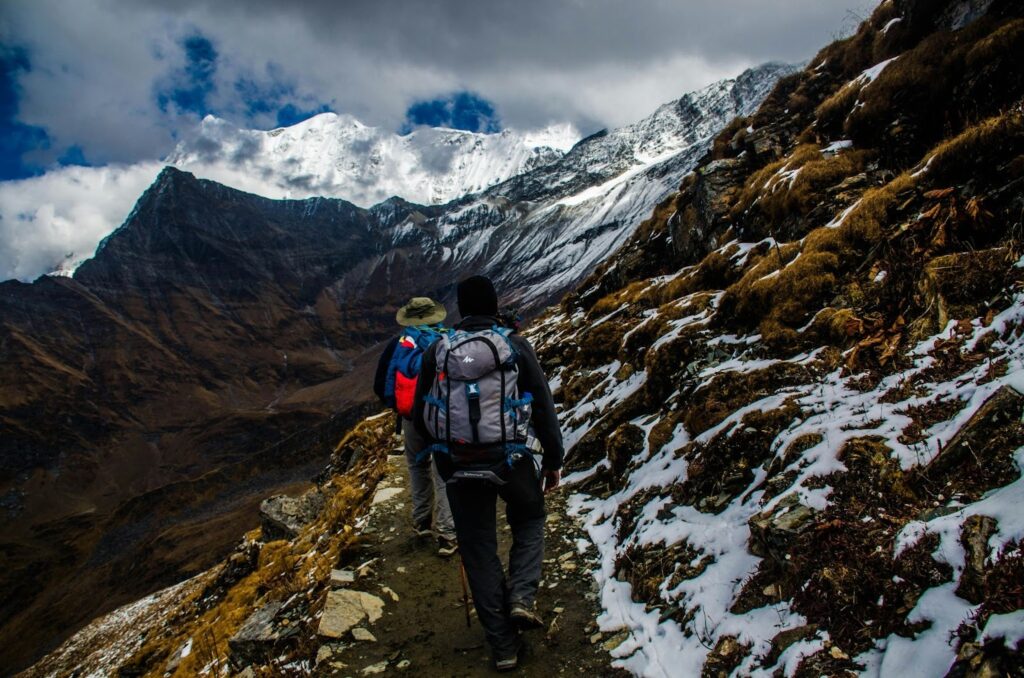
Every trekking gear list begins and ends with the backpack. If this fails you, nothing else matters. Your backpack carries not just gear, but your energy for the entire trek. On long routes like Kashmir Great Lakes, you carry your world for a week. On Kedarkantha trek, even a shorter load feels heavy on steep snow climbs.
A 50 to 60 litre backpack suits most Himalayan treks. It should sit snug against your back and rest firmly on your hips. Shoulder straps guide the load, but hips carry it. Many people realise this too late, usually after day one.
I always suggest loading the bag fully at home and walking around your colony or staircase. If it keeps shifting or digging into your shoulders, change it. Comfort here saves you from back pain, bad posture, and unnecessary frustration later.
Trekking Shoes: Your First Line of Safety
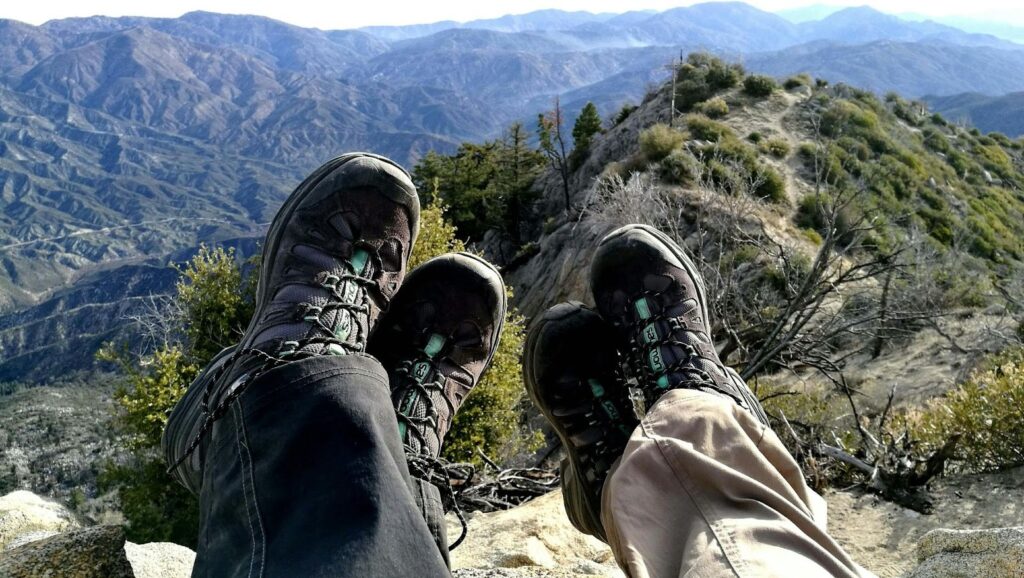
Shoes are not just footwear in the mountains. They are your grip, balance, and confidence. On Kedarkantha, snow paths harden in the morning and soften by afternoon. On KGL trek, rocky moraines and muddy stretches test your ankles daily. On treks like Roopkund or Buran Ghati, one bad step can end the journey.
Choose high-ankle trekking shoes with deep lugs. Waterproofing helps, but breathability is equally important. Wet feet blister faster than tired legs. Break in your shoes at least two weeks before the trek. Wear them on evening walks or short hikes.
I once saw a fit runner struggle badly on Har Ki Dun because he wore new shoes. Fitness could not save his feet. Shoes deserve respect in any list of things to carry for trekking.
Layered Clothing: Adapting to Mountain Mood Swings
Mountains change their mood faster than city weather apps. Layering helps you adapt without panic. This is why layered clothing sits at the heart of a sensible trekking gear list.
Start with a quick-dry base layer. Add a fleece for insulation. Finish with a padded or down jacket for cold mornings and nights. Kedarkantha mornings can drop well below zero. Kashmir Great Lakes afternoons can feel warm under open skies. Even treks like Dayara Bugyal or Deoriatal Chandrashila show sharp temperature swings.
Avoid cotton. It traps moisture and drains body heat. Synthetic or wool fabrics dry fast and keep warmth intact. Layering lets you add or remove warmth without breaking rhythm.
Trekking Pants: Comfort Over Style, Always
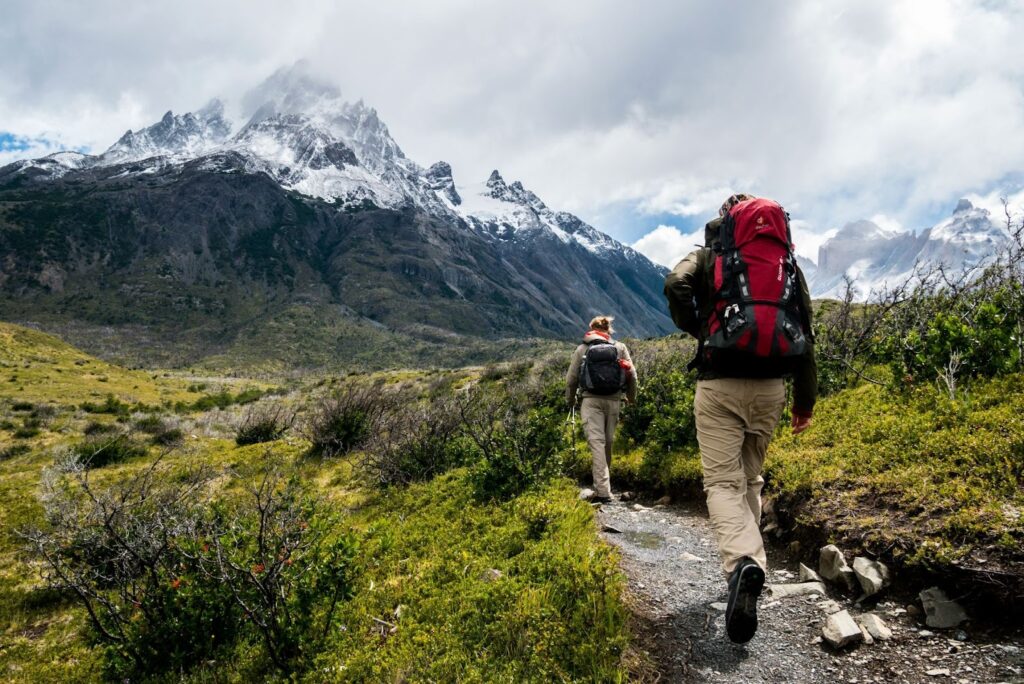
Trekking pants may look simple, but they quietly decide how relaxed your walking feels. On long meadow days of KGL, stiff pants feel like punishment. On snow patches of Kedarkantha, slow-dry fabric becomes a problem.
Choose stretchable, quick-dry pants. Two pairs are enough for most treks. One worn, one packed. Inner thermals for legs are a blessing on summit days, whether you are climbing Kedarkantha or Chandrashila.
Good pants allow long strides, easy sitting, and stress-free movement. Comfort keeps your mind calm, especially when days get long.
Gloves, Socks, and Headwear: Small Items That Save the Day
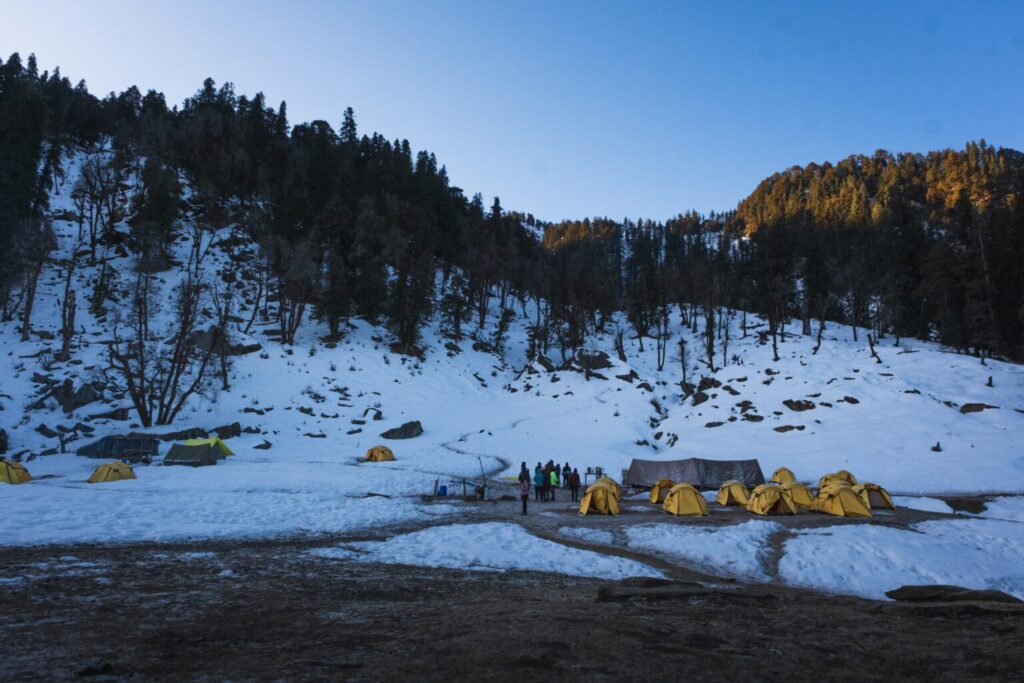
These items look minor until cold bites hard. Gloves protect fingers from numbness and snow burn. On Kedarkantha, insulated gloves with waterproof shells work best. On windy ridges of KGL or Kuari Pass, they cut wind chill.
Socks deserve more attention than they get. Carry three to four pairs of wool or trekking socks. Change them if damp. Dry feet prevent blisters and fungal issues.
Add a woollen cap for warmth and a sun cap for glare. Heat escapes quickly from the head. These small additions quietly strengthen your trekking gear list.
Trekking Poles: Support for Knees and Balance
Many first-time trekkers hesitate to use poles. They feel awkward at first. Then comes the first long descent. On KGL, downhill stretches after passes test knees deeply. On Kedarkantha, snow descents feel safer with extra balance.
Trekking poles reduce knee load and improve posture. They help maintain rhythm and stability. Adjustable poles work best for varied terrain. Learn basic technique before the trek.
Once you get used to them, poles feel like an extension of your body rather than equipment.
Sleeping Bag: Recovery Starts at Night
Good sleep restores energy faster than food. Cold nights drain strength silently. A reliable sleeping bag is non-negotiable in the mountains.
For Kedarkantha, a minus five degree comfort rated bag is ideal. Kashmir Great Lakes camps are slightly warmer, but nights still get cold. Treks like Brahmatal or Phulara Ridge demand similar insulation.
Check zip quality and insulation fill. Mummy shaped bags retain heat better. Always keep the bag dry. A damp sleeping bag turns nights into endurance tests.
Power Bank: Quiet Essential on Long Routes
This may sound modern, but it is practical. On long treks like Kashmir Great Lakes, charging points are rare. Cold drains batteries faster than expected. Phones handle navigation, photos, and emergency contact.
Carry at least one high-capacity power bank. Keep it inside your jacket at night to protect it from cold. Even on shorter treks like Kedarkantha, this adds peace of mind.
Power does not mean distraction. It means safety and connection.
Action Camera: Capturing Motion, Not Just Views
This is optional, but joyful. Kedarkantha’s snow slides, summit laughter, and forest walks look beautiful on action cameras. Phone cameras struggle in cold and motion.
Carry spare batteries and keep them warm. Use chest mounts or helmet mounts for hands-free recording. On other treks like Hampta Pass or Rupin Pass, action cameras capture river crossings and wide landscapes beautifully.
Just remember, safety first. No shot is worth a risky step.
Personal Essentials: The Unsung Heroes
This final part of the trekking gear list includes small items that quietly save time and trouble.
- Headlamp with spare batteries
- Basic first aid and personal medicines
- Sunscreen, lip balm, and moisturiser
- Water bottles or hydration bladder
- Lightweight towel and toiletries
These items rarely make headlines, but when needed, they feel priceless. Pack thoughtfully. Not heavy. Just enough.
How to Build Your Own Smart Packing Sense:
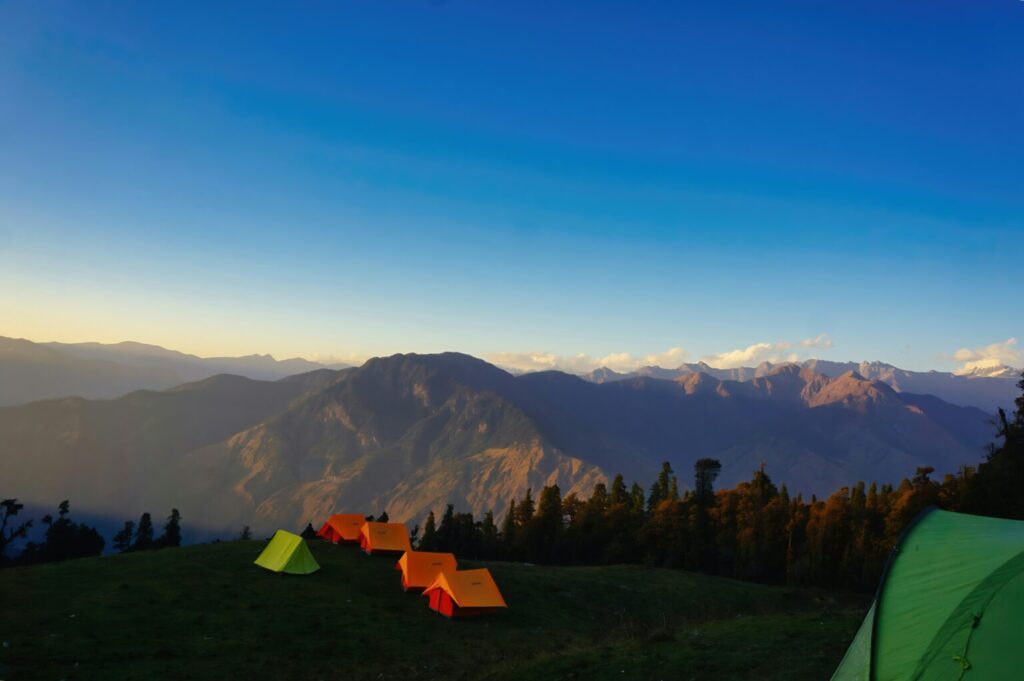
Here is the honest part. No two trekkers pack the same way. Body type, cold tolerance, walking pace, and mindset all matter. Ask yourself simple questions before packing. Do I feel cold easily. Do I prefer comfort or speed. How long are my walking days.
Do not blindly copy someone else’s list. A relaxed walker on KGL packs warmth. A fast hiker on Kedarkantha packs lighter. Both are right.
Your trekking gear list should serve you, not impress others.
Mistakes I Still See Across Indian Treks:
Even experienced trekkers repeat these errors.
- Carrying too many clothes
- Ignoring shoe quality
- Packing heavy gadgets
- Skipping rain protection
Whether it is Kedarkantha, Kashmir Great Lakes, or a lesser known trail, these mistakes show up everywhere. Mountains forgive slowly.
Kedarkantha introduces you to snow discipline. Kashmir Great Lakes teaches patience through distance and beauty. Other treks add their own lessons. But preparation remains the common thread.
The right things to carry for trekking do not guarantee a perfect trek. They simply remove avoidable suffering and allow joy to surface naturally. So when you zip your bag next time, ask yourself one quiet question. Is my gear helping me listen to the mountains, or is it distracting me from why I came here at all?